Happy Pride Retro Love LGBT SVG Review
As a designer who spends more time staring at stitch patterns and fabric swatches than sleeping, I approach every new digital asset with a mix of excitement and skepticism. The market is flooded with generic clipart, so finding a design that actually translates well from screen to needle is rare. That is why I took a close look at the Happy Pride Retro Love LGBT SVG. While it is listed as a cutting file for Cricut or Silhouette machines, the visual language here screams "embroidery potential." If you are an Etsy seller, a boutique owner, or a hobbyist looking to elevate your handmade product line, understanding how this graphic behaves in real-world application is crucial before you commit to production.
First Impressions: Mood and Visual Personality
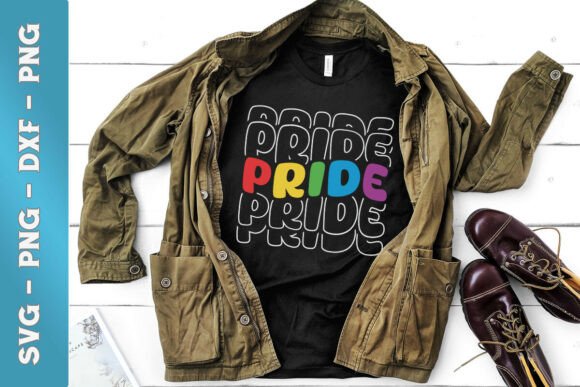
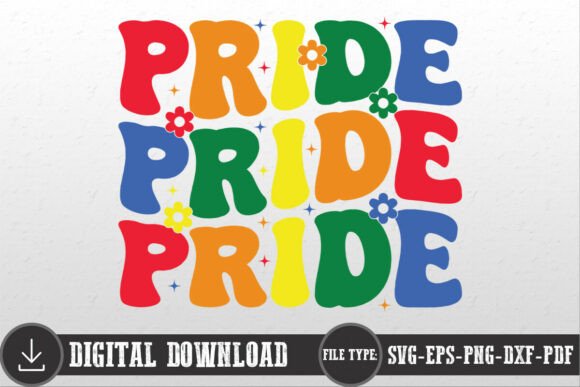
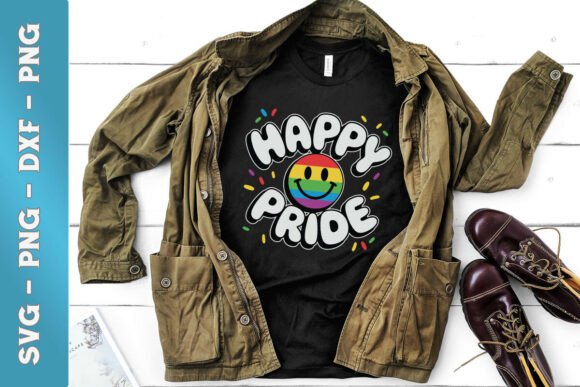
The moment you load the Happy Pride Retro Love LGBT SVG, the retro aesthetic hits you immediately. It isn’t just a standard heart; it has a specific vintage weight to it. The typography feels nostalgic, leaning into mid-century modern vibes that are currently dominating the craft fair circuit. For an embroidery project, this mood is significant because it suggests warmth, inclusivity, and a touch of playful sophistication. It doesn’t feel like a temporary trend; it feels like a timeless statement piece.
From a design perspective, the layout is balanced. The curves of the heart and the flow of the lettering suggest a natural reading path for the eye. This is vital for embroidery because complex, chaotic designs can get lost in the thread. Here, the negative space seems generous enough to allow for clean stitching without overcrowding the hoop. It creates a finished product that looks professional rather than cluttered, which is exactly what customers expect when they pay premium prices for custom apparel.
Real-World Application: Where This Design Shines
I ran this concept through several mental mockups to see where it would fit best in a commercial or personal context. The Happy Pride Retro Love LGBT SVG is incredibly versatile, but some applications will yield better results than others.
- Tote Bags and Canvas Totes: This is perhaps the strongest use case. A bold, retro heart on a sturdy canvas bag offers high contrast and durability. The design works beautifully as a chest pocket placement or centered on the front. It appeals to shoppers looking for everyday carry items that make a subtle but clear statement.
- Sweatshirts and Hoodies: Embroidered sweatshirt embroidery is having a massive resurgence. The retro vibe pairs perfectly with heavyweight cotton blends. Placing this design on the back of a hoodie or across the chest adds a tactile quality that printed graphics cannot match. It elevates the garment from basic merchandise to a boutique-quality item.
- Baby and Nursery Items: Because the color palette implied by "retro" often includes soft pastels or muted tones, this design translates well to baby clothes and nursery decor. A small embroidered patch on a onesie or a quilt border adds a layer of sentimentality that parents love for personalized gifts.
- Kitchen Towels and Aprons: For craft business owners, kitchen textiles are low-risk, high-turnover products. The cheerful nature of the design fits right in with home goods. It’s practical, washable, and visually appealing on tea towels or aprons used during holiday cooking.
Technical Considerations for Embroidery Success
While the vector file is intended for cutting, converting this to a machine embroidery design requires careful planning. As an experienced reviewer, I must highlight several technical pitfalls to avoid if you are digitizing this yourself or adapting it for embroidery.
Stitch Density and Detail Level
Retro fonts often have thick strokes, which is good for satin stitch stability. However, you need to inspect the small details closely. If the original graphic contains tiny serifs or intricate internal cuts, these may not hold up in embroidery. Dense stitch areas can pucker lightweight fabrics, so you must check the stitch density carefully. If the design relies on fine lines, consider simplifying them into fill stitches or running stitch accents to ensure clarity.
Fabric Texture and Stability
The success of any embroidery project depends heavily on the substrate. For the Happy Pride Retro Love LGBT SVG, I recommend using stable woven fabrics like cotton twill, denim, or heavy canvas. Avoid stretchy knits unless you use a strong cut-away stabilizer, as the tension required for a large heart design might distort the fabric. Textured fabrics, such as bouclé or heavy wool, can obscure the details of the design, making it look muddy rather than crisp.
Hoop Size and Placement
Always confirm the hoop size relative to your design dimensions. If you are placing this on a curved surface like a cap or a hat, the distortion factor increases significantly. You may need to adjust the digitization to account for the curve, or place the design on a flat panel before attaching it to the garment. For small hoop sizes, be wary of tight corners in the lettering; they can become difficult to thread cleanly.
Visual Appeal and Customer Perception
In the world of handmade products, presentation is everything. The Happy Pride Retro Love LGBT SVG contributes to brand consistency by offering a recognizable aesthetic. When customers see a cohesive retro theme across your tote bags, stickers, and apparel, it builds trust. They perceive your shop as curated and intentional.
Furthermore, the emotional resonance of the design drives engagement. Pride-themed items are often purchased as gifts or statements of identity. A well-executed embroidered version feels more permanent and valuable than a vinyl decal. The texture of the thread catches the light, adding depth that makes the finished product photograph beautifully for online listings. This visual appeal directly impacts buyer confidence and can justify a higher price point.
Practical Designer Notes for Production
Before you mass-produce items featuring this design, follow these essential steps:
- Test on Scrap Fabric: Never go straight to the final product. Stitch the design on scraps of your target fabric to check for puckering, thread breaks, or tension issues.
- Review Thread Color Contrast: Ensure the thread colors chosen provide sufficient contrast against the fabric. Retro palettes often work best with complementary colors, but always test in natural light.
- Check Licensing: Since this is a digital product, verify the license terms. If you plan to sell finished items (commercial embroidery), you likely need a commercial license. Do not assume personal use rights cover business sales.
- Inspect Small Details: Zoom in on the digital file. Are there any elements that are too thin to be stitched? Simplify or remove them to maintain a clean finish.
- Compare Light and Dark Backgrounds: Test the design on both white and black fabrics. Some retro colors pop more on dark backgrounds, while others may require a underlay stitch to stand out on light fabrics.
Final Verdict
The Happy Pride Retro Love LGBT SVG is a strong candidate for designers looking to add a touch of vintage charm to their portfolio. Its visual personality is distinct, and its adaptability spans from custom apparel to home goods. By paying attention to stitch density, fabric choice, and licensing, you can transform this digital graphic into a high-quality handmade product that resonates with customers. It is not just a file; it is a foundation for creating meaningful, wearable art that stands the test of time.