Retro Good Vibes Svg Review
As a designer who spends half the day in embroidery software and the other half preparing orders for small business clients, I don’t just look at a file; I look at how it will translate from a digital vector into physical thread. When I first pulled up Retro Good Vibes Svg, my immediate reaction was less about technical specs and more about mood. It carries that specific late-summer energy—nostalgic, warm, and effortlessly cool. But does it hold up when you’re actually stitching it out for a paying customer? That is the question that matters.
This design falls squarely into the Crafts and Graphics categories, but its true value lies in its versatility as a commercial asset. The description notes it is a vector file that can be easily recolored and resized, which is a massive green flag for any embroiderer. Unlike raster images that pixelate or complex vector paths that choke a machine’s memory, a clean vector allows for precise scaling. This means whether you are planning a tiny embroidered patch for a denim jacket or a large graphic on a sweatshirt, the integrity of the lines remains sharp. It’s ready to print, yes, but for us, the real test is how it behaves under the needle.
The First Impression: Mood and Layout
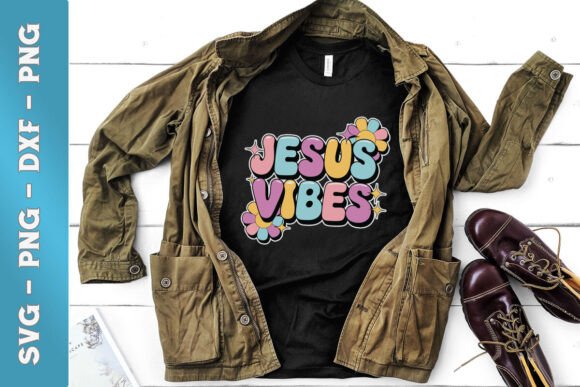
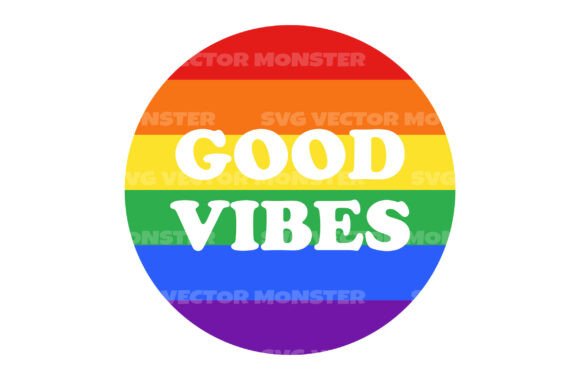
The visual personality of Retro Good Vibes Svg is distinct. It doesn’t try to be minimalist, nor is it overly cluttered. It strikes a balance that works beautifully for handmade products. The layout feels balanced, likely relying on strong curves and bold shapes typical of retro typography or iconography. For an embroidery project, this is crucial. Intricate, hairline details often get lost in the fabric, but a design with clear, bold forms translates reliably.
I imagine this design sitting comfortably on a chunky knit sweatshirt or a sturdy canvas tote bag. It has a "lifestyle" feel. It’s not just a logo; it’s a statement piece. When you see it in your mind’s eye, it evokes a sense of casual confidence. This emotional connection is what drives sales for Etsy sellers and boutique owners. Customers aren’t just buying a shirt; they are buying the vibe. If the design feels authentic and well-composed, the perceived value of the finished product goes up significantly.
Real-World Application: Where It Shines
In my experience, certain designs scream for specific applications. Retro Good Vibes Svg feels native to custom apparel and personalized gifts. Here is where I would strategically place this design:
- Tote Bag Design: Canvas bags are forgiving fabrics. They provide a stable surface that holds stitch density well. A retro graphic here becomes a functional art piece, perfect for craft fair products or boutique branding.
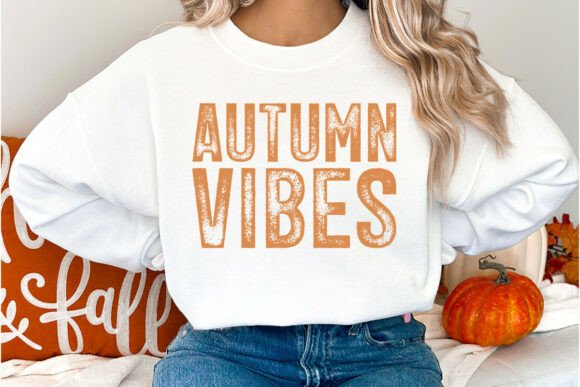
- Sweatshirt Embroidery: Fleece or heavy cotton blends offer a plush background that makes thread colors pop. This design’s nostalgic tone pairs perfectly with vintage-wash hoodies.
- Baby Embroidery: If the design contains soft elements or playful typography, it could work wonderfully on baby clothes or nursery decor. However, this requires careful consideration of scale and safety (no small detachable parts).
- Embroidered Patch: Because it is a self-contained graphic, it can be digitized as a patch. These are high-value items for small shop products, often sold as accessories for backpacks or hats.
- Holiday Embroidery: Depending on the color palette you choose, this design could be adapted for seasonal gifts. Warm tones might work for autumn, while cooler retro shades could fit winter themes.
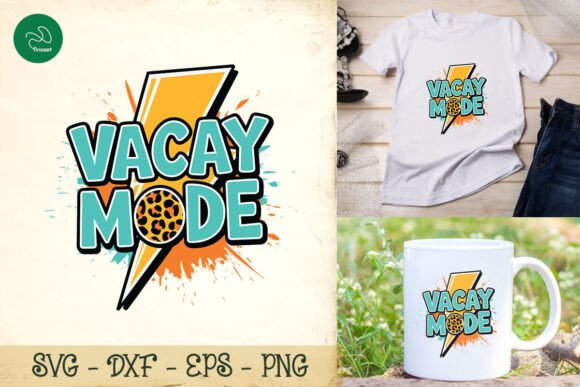
For digital product sellers, this vector file is also a goldmine. You can create printable mockups showing the design on various garments, giving potential buyers a clear idea of the final result without needing to physically produce every item. This reduces overhead and speeds up time-to-market.
Where to Be Cautious
No design is perfect for every scenario, and being honest about limitations builds trust with your audience. There are several situations where Retro Good Vibes Svg might require extra attention or might simply be a poor choice:
- Small Hoop Sizes: If the design includes fine text or very tight corners, shrinking it down to fit a 4x4 hoop might cause issues. Satin stitches on tiny letters can merge together, creating a blob rather than readable text. Always check the smallest detail before committing.
- Textured or Stretchy Fabrics: While canvas is great, jersey knits or heavily textured wools can distort the shape of the design. If you use this on stretchy fabric, you must use a proper stabilizer to prevent puckering. Even then, the retro aesthetic might look distorted if the fabric stretches during wear.
- Dense Stitch Areas: If the design relies on large fill stitches, ensure your machine can handle the density. On thin fabric, too much thread weight can make the material stiff and uncomfortable. Test this on scrap fabric first.
- Curved Surfaces like Caps: Embroidering directly onto a curved cap brim or sleeve cuff is challenging. While possible, it requires a specialized hoop and significant skill. For beginners, it might be safer to apply this design to flat items first.
- Dark Fabric Without Proper Contrast: Since this is a vector file, you can recolor it, but you must think about thread contrast. Light threads on dark fabric need adequate coverage, which increases stitch count and production time. Dark threads on dark fabric will disappear entirely.
Practical Designer Notes for Execution
Before you hit "start" on your machine, there are a few professional habits that will save you frustration. First, inspect the vector file closely. Look for unnecessary anchor points that might cause the machine to take inefficient paths. Clean up the design if needed.
Next, consider your thread colors. The "retro" vibe relies heavily on palette. Don’t just default to primary colors. Experiment with muted pastels, mustard yellows, dusty blues, or terracotta oranges. These colors enhance the nostalgic feel and make the product look more curated and expensive. Compare light and dark fabric backgrounds using black and white mockups to ensure the contrast is sufficient for readability.
Stabilizer selection is non-negotiable. For a design like this, which likely has both outline and fill elements, a cut-away stabilizer is usually best for durability, especially for items that will be washed frequently. If you are making a quick gift, a tear-away might suffice, but know that it won’t last as long.
Also, confirm licensing. Just because you bought the SVG doesn’t always mean you have the right to sell unlimited finished products. Check the terms. Are you allowed to use it for commercial embroidery? Is there a limit on units? Clarity here protects your craft business from legal headaches later.
Final Verdict
Retro Good Vibes Svg is a solid addition to any designer’s library. It offers a blend of aesthetic appeal and practical utility. It works well for custom apparel, gifts, and commercial merchandise, provided you respect the limits of embroidery technology. It isn’t a magic bullet that fixes bad digitization, but it provides a strong foundation for a beautiful finished product.
If you are an Etsy seller looking to expand your collection with trendy, nostalgic items, or a hobbyist wanting to make a unique personalized gift, this design delivers. It encourages creativity through easy recoloring and resizing, allowing you to tailor the look to your specific brand or project needs. Just remember: test on scrap, choose your stabilizer wisely, and let the quality of your stitching speak for itself. When done right, a simple retro design can become a standout piece that customers love to wear and show off.