Retro Merry Christmas SVG Christmas Tree
As a designer who spends more time looking at stitch paths than actual stitches, I approach every new file with a mix of optimism and skepticism. The market is flooded with holiday graphics, but few truly translate well from a screen to the hoop. When I pulled up Retro Merry Christmas SVG Christmas Tree, my first instinct was to check the silhouette. In embroidery, shape is everything. If the vector doesn’t read clearly when reduced to thread, no amount of color grading will save it.
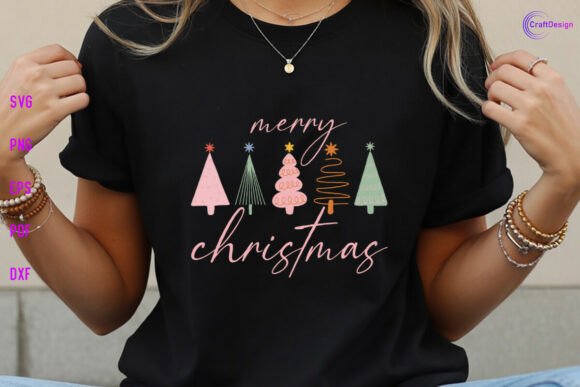
The immediate impression here is one of nostalgic warmth. The "retro" descriptor isn't just a label; it dictates the line weight and the overall composition. Unlike modern, minimalist trees that rely on negative space, this design feels substantial. It has character. For a small business owner or an Etsy seller looking to add inventory for the Q4 rush, this kind of personality is what stops the scroll. It doesn't look like generic clip art; it looks like a brand asset. But does it work in real life? That is the question we need to answer before you upload it to your machine.
Visual Personality and Mood
This design carries a specific energy. It evokes the cozy, slightly chaotic charm of mid-century holiday aesthetics. The mood is inviting and playful, which makes it incredibly versatile. It works beautifully for personalized gifts because it feels personal rather than corporate. When I imagine this stitched onto a garment, I picture warm, earthy tones—mustard yellows, burnt oranges, deep forest greens, and perhaps a soft cream background. It begs for a vintage thread palette rather than the stark primary colors often seen in cheap holiday merch.
The layout is balanced, meaning it won’t fight against the natural drape of fabric. Whether you are placing it on the chest of a sweatshirt or centered on a tote bag, the visual weight is distributed in a way that feels stable. This is crucial for custom apparel. A top-heavy design can pull at the neckline or cause puckering if not stabilized correctly. Here, the structure seems sound, suggesting that the underlying vector work was done with practical application in mind.
Real-World Application Scenarios
Let’s talk about where this machine embroidery design shines. I’ve been testing various layouts mentally, and a few stand out as high-potential products.
- Holiday Tote Bags: Canvas totes are a staple for craft fairs and boutique sales. A retro tree design adds a touch of class without being overly festive. It appeals to the customer who wants something they can use year-round, not just in December. The clean lines of the vector ensure that even on textured canvas, the design remains legible.
- Baby and Nursery Items: There is a growing market for gender-neutral, aesthetic baby gifts. This design fits perfectly into a nursery theme that avoids the typical bright reds and greens. Think of it embroidered on a muslin blanket or a hooded towel. The softness implied by the retro style translates well to delicate fabrics, provided you use the right stabilizer.
- Kitchen Textiles: Tea towels and aprons are low-barrier entry products for new sellers. This embroidery project is ideal for these items because the scale is manageable. You can stitch it near the hem or centered on the bib. It adds value to a simple cotton towel, turning a commodity into a handmade product with perceived worth.
- Apparel Decorations: For sweatshirt embroidery, this design offers a great focal point. It’s detailed enough to look professional but not so complex that it requires hours of stitching time. Time is money in production, so efficiency matters. A design that strikes this balance is a commercial winner.
Where Caution Is Required
No design is perfect for every surface. While Retro Merry Christmas SVG Christmas Tree is robust, there are situations where you need to be careful. If you are planning to use this on caps or hats, pay close attention to the curvature. Embroidery on curved surfaces distorts straight lines. Test the fit in your hoop before committing to expensive materials. Similarly, avoid using this on very thin or stretchy fabrics without adequate support. The tension required to stitch dense areas might pucker lightweight jersey or silk.
Also, consider the stitch density. If the design includes large fill areas, running it on dark fabric might require a heavy underlay, which can make the back of the garment stiff. For commercial embroidery clients who prioritize comfort, this could be a dealbreaker. Always inspect the small details. Are there tiny ornaments or text elements that might get lost in the thread? If so, you may need to simplify the design digitally before stitching or choose a larger hoop size to maintain clarity.
Technical Considerations for Designers
Before you hit print or start stitching, there are several technical checks every experienced maker should perform. First, always test the design on scrap fabric. This is non-negotiable. It allows you to see how the thread colors interact with the fabric texture. A color that looks vibrant on a monitor might appear muddy on wool or matte on satin.
Review the stabilizer choice. For a design like this, which likely combines different stitch types such as satin stitch for outlines and fill stitch for bodies, a cut-away stabilizer is usually safer for garments that will be washed frequently. For temporary projects like embroidered patches, a tear-away might suffice, but stability is key to preventing distortion.
I also recommend creating a black-and-white mockup. This strips away the distraction of color and lets you evaluate the contrast and spacing of the elements. If the design loses its impact in grayscale, it might lack sufficient contrast in thread selection. Additionally, confirm the licensing terms. Even though the package includes Digital Embroidery File formats like SVG, EPS, DXF, PDF, and PNG, you must verify if you have commercial rights to sell finished goods. Many creators offer files for personal use only, and violating these terms can lead to serious legal issues for your craft business.
Final Verdict on Usability
Overall, Retro Merry Christmas SVG Christmas Tree is a strong contender for anyone looking to expand their holiday offerings. It balances aesthetic appeal with practical usability. The retro vibe gives it a unique selling proposition in a saturated market, and the vector quality suggests it will hold up well during digitization and stitching.
For the Etsy seller or small shop product creator, this design offers flexibility. It works for holiday gifts, wedding gifts (for winter weddings), and general seasonal decor. It enhances brand consistency if your shop focuses on cozy, handmade aesthetics. However, remember that the success of the final piece depends largely on your execution. Proper hoop size selection, thread quality, and machine maintenance are just as important as the design itself.
If you are willing to put in the prep work—testing on scraps, choosing the right threads, and respecting fabric limitations—this design can become a bestseller. It transforms a simple graphic into a tangible, cherished item. That is the magic of good design assets: they don’t just sit on a page; they live in the hands of your customers. Use this embroidery file wisely, and it will serve your creative entrepreneur goals well.