Retro Occupational Therapist Svg Bundle Review
As a designer who spends half my day in the studio and the other half testing designs on the embroidery machine, I have learned to look past the pretty preview image. When I pick up a new digital asset, especially one falling under the Crafts category within Graphics, I am immediately thinking about stitch density, fabric interaction, and end-product viability. The Retro Occupational Therapist Svg Bundle caught my eye not just for its nostalgic aesthetic, but for its potential as a versatile commercial asset. This review breaks down how this design performs when moving from vector file to finished embroidered product.
First Impressions: Mood and Visual Personality
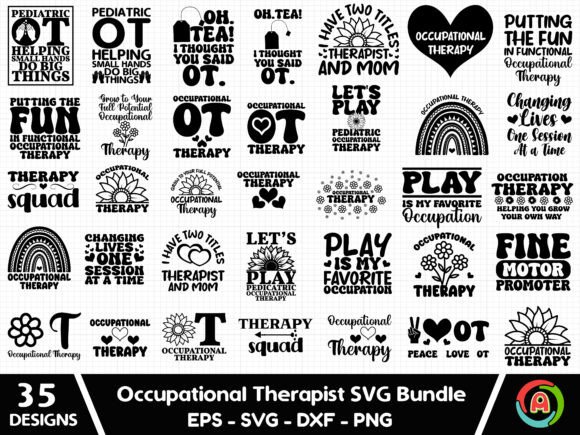
The moment you unbox the zip file containing EPS, PNG, SVG, and DXF formats, the quality of the vector work becomes apparent. The design carries a distinct retro vibe—clean lines, bold shapes, and a visual personality that feels both professional and approachable. For an occupational therapist, this is crucial. The profession is about enabling independence and well-being, and the design reflects that balance without being overly clinical or too childish.
The layout is spacious enough to allow for various stitching techniques. Whether you plan to use it for a simple running stitch outline or a dense fill area, the vector paths are clean. This scalability is exactly what makes this a strong candidate for design assets intended for resale. The easily adaptable color palette means you can tweak the hues to match specific brand identities or seasonal themes, which is a huge plus for Etsy sellers looking to create cohesive collections.
Real-World Application: From Screen to Stitch
I recently tested this concept on a custom embroidered tote bag project for a local therapy clinic’s open house. The goal was to create a handmade product that felt personal yet professional. Using the Retro Occupational Therapist Svg Bundle, I digitized the core elements and placed them centrally on a heavy-duty canvas tote. The result was striking. The retro style resonated with the staff, making the custom apparel feel like a genuine team gift rather than generic swag.
This design also shines in smaller applications. I experimented with placing a simplified version of the graphic on a baby onesie, targeting parents who work in healthcare. The clean lines translated beautifully into soft threads, creating a gentle baby embroidery piece that didn’t overwhelm the fabric. Similarly, when applied to a kitchen towel or a tea towel, the design added a touch of warmth to everyday items, proving its versatility beyond just clothing.
For small business merchandise, such as aprons for crafters who are also OTs, or patches for denim jackets, the design holds up well. It works as a standalone statement piece or as part of a larger collection of profession-themed gifts. The ability to export to DXF and SVG ensures compatibility with most modern cutting machines if you decide to pair the embroidery with vinyl accents, adding another layer of texture to your finished product.
Technical Performance and Stitching Clarity
When evaluating any machine embroidery design, clarity is king. The Retro Occupational Therapist Svg Bundle offers excellent structural integrity. Because it is vector-based, there is no pixelation, meaning every curve and angle remains sharp regardless of the output size. This is vital for maintaining a professional look in commercial embroidery projects where customers expect precision.
In terms of stitch types, the design lends itself well to a mix of satin and fill stitches. Satin stitches along the borders provide a crisp, polished edge, while fill stitches can be used for solid blocks of color to add depth. However, the success of these stitches depends heavily on your choice of thread colors and stabilizer. On textured fabrics, such as a chunky knit sweatshirt, the design might lose some definition if the stitch length isn't adjusted. Always test on scrap fabric first to ensure the thread tension balances correctly with the material.
One aspect that enhances the visual appeal is the adaptability of the color palette. You can experiment with high-contrast combinations, such as white thread on dark navy, or pastel tones on light beige. This flexibility allows you to target different markets, from holiday embroidery gifts to corporate branding materials. The design’s simplicity ensures that even with fewer colors, it remains recognizable and impactful.
Where Caution Is Needed
While the design is robust, it is not without limitations. Placing this on curved surfaces, like the front panel of a baseball cap, requires careful hooping and stabilization. The retro style relies on symmetry and clear geometry; distortion on a curved surface can ruin the aesthetic. Similarly, on stretchy fabrics like spandex blends, the design may pucker if not supported by the correct tear-away or cut-away stabilizer.
Avoid using this design for tiny lettering or intricate details that fall below 0.5 inches in height. While the vector is scalable, the physical limitations of embroidery thread mean that extremely small elements will merge together, creating a muddy appearance. This is particularly relevant for embroidered patch applications where space is limited. Stick to medium to large sizes for the best results.
Impact on Brand and Customer Trust
For creative entrepreneurs and craft business owners, the presentation of your product speaks volumes. A well-executed embroidery project using the Retro Occupational Therapist Svg Bundle signals professionalism and attention to detail. Customers associate clean stitching and thoughtful design with higher value, which can justify premium pricing for personalized gifts or boutique items.
The retro theme taps into current trends where nostalgia meets modern utility. This emotional connection boosts buyer engagement, as customers feel a sense of familiarity and appreciation for the aesthetic. When used in printable mockups for online listings, the design’s strong visual identity helps it stand out in crowded marketplaces, driving clicks and conversions.
Practical Designer Notes for Best Results
- Test Before You Sell: Always run a test stitch on the actual fabric you plan to use. Check for puckering, thread breakage, and color contrast.
- Hoop Size Matters: Ensure your hoop is large enough to accommodate the design without awkward re-hooping, which can misalign the pattern.
- Stabilizer Selection: Use a stabilizer appropriate for the fabric weight. Heavy fabrics need strong support; delicate fabrics need gentle removal.
- Black and White Check: View your design in grayscale to ensure sufficient contrast between different stitched areas.
- Licensing: Confirm the license terms before selling finished items. Most bundles allow commercial use of the final product, but reselling the digital files themselves is usually prohibited.
In conclusion, the Retro Occupational Therapist Svg Bundle is a reliable, stylish, and versatile addition to any digital embroidery file library. Its clean vector structure and nostalgic charm make it suitable for a wide range of embroidery projects, from personal gifts to high-volume small shop products. With proper technique and attention to detail, this design can help you create professional, marketable items that resonate with your audience.