Retro Rotary Phone SVG Clipart Review
As a designer who spends half my life staring at digitized stitch paths and the other half trying to convince clients that embroidery isn’t just for corporate polo shirts, I approach every new digital asset with a mix of skepticism and curiosity. When Retro Rotary Phone SVG Clipart landed in my inbox, I didn’t immediately see a quick sale. Instead, I saw a specific aesthetic challenge: how do you translate the chunky, tactile nostalgia of mid-century telecommunications into thread without it looking like a blurry mess on a sweatshirt?
This review isn’t about listing file formats—though having transparent PNGs and vector files is standard now—it’s about whether this design actually works when it hits the hoop. I’ve been thinking through how this embroidery project would perform in real-world scenarios, from custom gifts to small business merchandise.
The First Impression: Nostalgia Meets Stitch Clarity
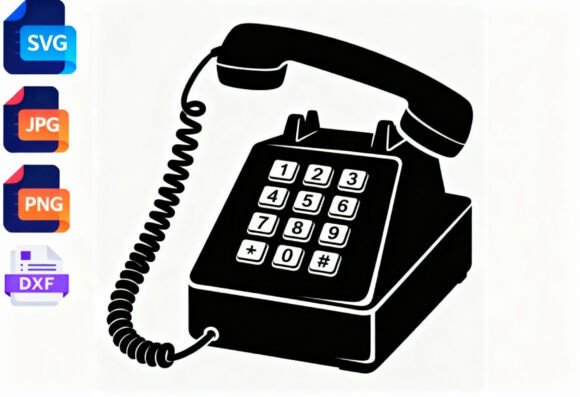
The moment I opened the bundle, the mood was clear. This isn’t just a phone; it’s a statement piece. The retro rotary dial evokes a sense of warmth, patience, and analog charm that fits perfectly into today’s "cottagecore" or vintage-inspired craft movements. Visually, the shape is distinct. The circular dial and the curved handset create natural focal points that are forgiving for machine embroidery.
For an embroidery file, the complexity is manageable but not boring. It avoids the trap of being too sparse (which looks unfinished) or too dense (which can pucker lightweight fabrics). The visual personality suggests it belongs in a cozy home setting or a boutique apparel line. It feels like something you’d find in a grandmother’s kitchen or a trendy coffee shop, which gives it strong potential for emotional connection with buyers. If you are designing for customers who love personalized gifts, this theme hits a sweet spot between cute and sophisticated.
Real-World Application: Where Does It Shine?
I spent some time mentally mapping out where Retro Rotary Phone SVG Clipart could live. The versatility here is higher than expected for a single graphic. Let’s look at a few practical applications:
- Custom Apparel & Sweatshirts: This design screams comfort wear. Imagine a cream-colored crewneck sweatshirt with the phone centered on the chest. The retro vibe pairs beautifully with soft, brushed cotton. It’s a perfect sweatshirt embroidery idea for fall and winter seasons.
- Tote Bag Design: A canvas tote with this motif is an instant hit. It appeals to book lovers, writers, and creatives. The sturdy fabric holds up well to the stitch density, making it a reliable handmade product for craft fairs.
- Kitchen & Home Decor: Tea towels, aprons, and pillow covers are natural homes for this design. The rotary phone is a domestic object, so placing it in a kitchen context feels organic. It adds character to a space without overwhelming it.
- Baby Embroidery: While less obvious, a small, simplified version on a baby onesie or blanket can be charming. It taps into the trend of nostalgic nursery decor. Just ensure the scale is appropriate so it doesn’t look intimidating on tiny garments.
For Etsy sellers and small shop products, this design offers high perceived value. It looks custom-made, even if it’s a digital asset. Buyers are often willing to pay more for items that tell a story, and a retro phone tells a story of connection and simplicity.
Technical Considerations: What to Watch Out For
No design is perfect for every surface. As an experienced reviewer, I have to point out where this machine embroidery design might struggle. Precision is key, especially when dealing with curves and small details.
Hoop Size and Scale: You need enough room to execute the curves cleanly. Trying to squeeze this into a very small hoop might result in distorted proportions. Always check your hoop size constraints before finalizing your product lineup. If the design is too large for a cap, it will dominate the curve of the front panel in an unflattering way.
Fabric Texture and Stability: This design relies on clean lines. On heavily textured fabrics like bouclé or thick waffle knits, the details of the rotary dial might get lost. Similarly, on stretchy fabrics, you must use a proper stabilizer to prevent puckering. If the base fabric moves during stitching, the symmetry of the phone will be ruined, and the finished product will look amateurish.
Thread Colors and Contrast: The success of this finished product hinges on color choice. Dark fabrics require bright, contrasting threads to make the shape pop. Light fabrics allow for more subtle, tonal choices. I recommend testing your thread colors on scrap fabric first. A black phone on a black shirt won’t show up unless you use a heavy outline or applique technique.
Applique vs. Direct Stitching
Depending on your machine capabilities, this could also work as an applique design. Using a contrasting fabric for the phone body and then adding satin stitches for the dial details can add incredible depth. This approach reduces the total stitch count while increasing visual interest. However, it requires more setup time. For simple craft business volume, direct stitching is faster, but applique yields a premium feel.
Design Integrity and Brand Consistency
One thing I appreciate about this asset is its consistency. The lines are clean, which means the digitization (if done well) should hold up over multiple washes. For commercial embroidery projects, durability is paramount. Customers expect their personalized items to survive the laundry cycle without falling apart.
When you present this as a printable mockup or a digital preview, the clarity of the original vector ensures that your marketing materials look professional. There’s no pixelation or jagged edges. This attention to detail builds customer trust. Buyers can sense when a seller cares about the quality of their assets, and it translates to higher conversion rates.
Furthermore, the retro theme is timeless. Unlike fleeting trends, nostalgia sells year-round. This makes it a safe investment for your design assets library. You can use it for holiday gifts, wedding favors, or everyday store inventory without worrying about it going out of style next month.
Practical Designer Notes for Implementation
Before you rush to produce hundreds of units, take these steps to ensure quality:
- Test on Scrap Fabric: Never assume a design will work on your target fabric without a test run. Check for tension issues and thread breaks.
- Review Stitch Density: Look closely at the fill areas. Are they too tight? Too loose? Adjustments may be needed depending on your specific machine.
- Inspect Small Details: Zoom in on the rotary dial numbers or buttons. Can they be distinguished after stitching? If not, consider simplifying or enlarging them.
- Check Licensing: Confirm whether you have commercial rights to sell finished items made from this digital embroidery file. This is crucial for any Etsy seller or creative entrepreneur.
- Black and White Mockups: View your design in grayscale to check contrast levels. This helps ensure visibility regardless of the color palette used.
Final Verdict
Retro Rotary Phone SVG Clipart is a solid addition to any designer’s toolkit. It balances aesthetic appeal with technical feasibility. It’s versatile enough for apparel, home decor, and accessories, and it resonates with a broad audience that values craftsmanship and nostalgia. By paying attention to fabric choice, stabilizer use, and color contrast, you can turn this simple graphic into a standout handmade product. Whether you’re a hobbyist making a gift or a small business owner scaling up production, this design offers a reliable path to creating engaging, high-quality embroidered goods.