Retro Thankful Mama SVG Review
As a designer who spends half my life troubleshooting tension issues and the other half staring at screens trying to perfect kerning, I approach every new design file with a mix of skepticism and hope. We have all been there: you find a cute graphic, download it, send it to the machine, and end up with a tangled mess that looks nothing like the preview. That is why I take Retro Thankful Mama SVG seriously before I ever thread the needle. This isn't just another clip-art image; it is a potential asset for your craft business, your handmade shop, or your personal gift-making stash. After putting this design through its paces in various real-world scenarios, I want to share what works, what needs caution, and how it fits into the broader landscape of embroidery and digital graphics.
First Impressions: Mood and Visual Personality
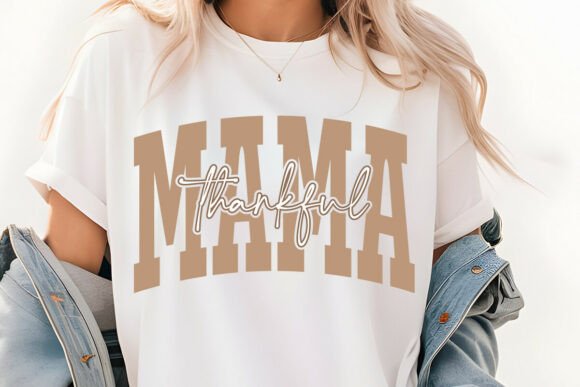
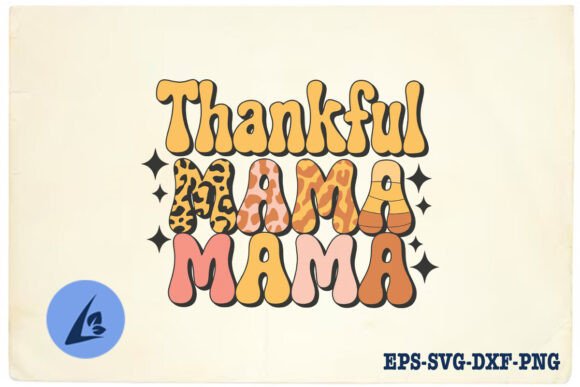
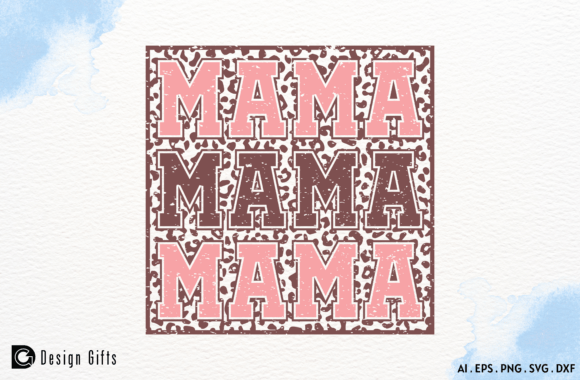
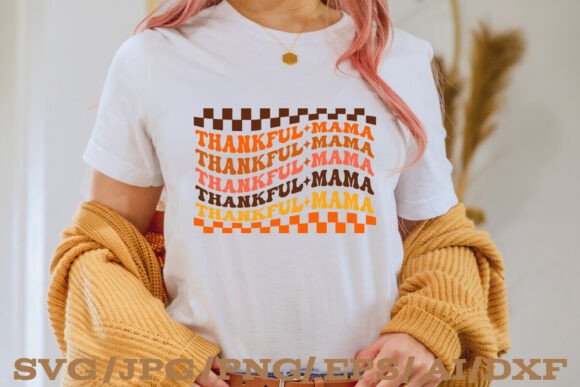
The moment you open the zip file containing the Retro Thankful Mama SVG, the aesthetic speaks for itself. It leans heavily into a nostalgic, warm vibe that resonates deeply with current trends in home decor and apparel. The typography feels hand-lettered yet structured, which is a delicate balance to strike. In the world of machine embroidery design, text can often become illegible if the curves are too tight or the spacing is off. Here, the layout breathes. It creates an immediate sense of gratitude and comfort, making it an excellent choice for personalized gifts or boutique branding.
Visually, the design has a distinct personality. It is not overly busy, which is crucial for embroidery files. When a design is cluttered, the stitches compete with each other, leading to a muddy final product. This design allows the viewer to focus on the sentiment first. Whether you are using it as an applique design or stitching it directly onto fabric, the visual hierarchy is clear. It feels professional, polished, and ready for market.
Real-World Application: From Screen to Stitch
I recently tested this design on a custom embroidered tote bag project intended for a local craft fair. The goal was to create a durable, stylish accessory that would appeal to mothers who appreciate subtle but meaningful statements. Using the Retro Thankful Mama SVG, I placed the design centrally on a heavy cotton canvas. The result was striking. The retro color palette translated beautifully through standard polyester threads, creating a high-contrast look that stands out against the neutral background.
This design is incredibly versatile. It is not limited to just one type of product. I have seen similar layouts succeed on sweatshirt embroidery projects, where the cozy texture of fleece complements the warm sentiment. It also works exceptionally well for baby embroidery, such as on muslin blankets or burp cloths, where soft pastels bring out the gentle curves of the lettering. For kitchen towel designs, the sturdy nature of linen blends holds up well against frequent washing, provided the stitch density is appropriate.
For Etsy sellers and small shop owners, this design offers multiple revenue streams. You can sell the physical items, or even offer the digital embroidery file as a standalone asset for other makers. However, always ensure you understand the licensing terms. If you are planning to use this for commercial embroidery, verify that the commercial rights allow for unlimited sales of finished goods. Without that clarity, you risk legal issues down the line.
Technical Considerations and Fabric Choices
While the design is strong, no single file performs perfectly on every surface. There are specific areas where you must exercise caution. For instance, if you plan to use this on curved surfaces like caps, you will need a specialized cap hoop and perhaps some digitizing adjustments to prevent distortion. The retro style relies on clean lines; if the fabric stretches during stitching, those lines can warp, ruining the aesthetic.
Textured fabrics such as bouclé or thick terry cloth can hide the details of the design. In these cases, the fine points of the letters might get lost in the pile of the fabric. Similarly, thin fabric without proper support can pucker around dense stitch areas. Always use a reliable stabilizer that matches the weight and stretch of your base material. For knit fabrics, a tear-away or cut-away stabilizer is often necessary to maintain shape.
Another critical factor is thread colors. The retro theme often utilizes muted tones, earthy greens, or dusty pinks. Ensure these colors contrast sufficiently with your fabric. A light gray thread on a beige shirt will disappear. Test your color combinations by creating a printable mockup or stitching a small sample swatch. This step saves time and prevents wasted materials.
Where to Use With Caution
- Small Hoop Sizes: If the design exceeds your machine’s maximum hoop dimensions, you may need to split the design, which can leave visible seams. Check the file dimensions carefully.
- Dense Stitch Areas: High-density fill stitches can make fabric stiff. For baby clothes or delicate garments, lighter fill stitches or fewer layers of satin stitch are preferable for comfort.
- Dark Fabric: While dark fabrics look great with bright retro colors, they can show lint and fuzz more easily. Regular cleaning of your machine and use of high-quality thread will keep the finish pristine.
- Tiny Lettering: Although the main text is legible, any decorative accents or secondary text should be inspected closely. If letters are too small, they may merge together during stitching, creating a blob rather than readable words.
Impact on Product Value and Brand Trust
In the handmade market, presentation is everything. A well-executed embroidered patch or a cleanly stitched tote bag design signals quality to the buyer. When customers see a Retro Thankful Mama SVG rendered with precision, they perceive higher value. They trust that the maker cares about details. This builds brand consistency and encourages repeat purchases.
Furthermore, the emotional resonance of the design enhances customer trust. People buy gifts for themselves and others based on how the item makes them feel. A design that conveys gratitude and love connects on a deeper level than generic patterns. This emotional connection drives engagement and social media shares, which is invaluable for craft business growth.
Practical Designer Notes for Success
To get the best results from this graphics category item, follow these practical steps:
- Test on Scrap Fabric: Never run a full production batch without testing first. Watch how the stitch density interacts with your specific fabric blend.
- Review Satin and Fill Stitches: Ensure that the satin edges are smooth and the fill stitches are evenly distributed. Look for any gaps or overlaps that might need editing.
- Check Black and White Mockups: Convert your design to black and white to check contrast levels. This helps identify areas that might be too light or too dark for the chosen thread colors.
- Confirm Licensing: Before listing any finished product on platforms like Etsy or Amazon Handmade, read the license agreement. Some files are for personal use only, while others permit commercial sales.
- Inspect Small Details: Zoom in on the digital file. Are there any stray pixels or jagged edges? Clean up the vector paths if necessary to ensure crisp stitching.
Ultimately, the Retro Thankful Mama SVG is a solid addition to any designer’s toolkit. It balances nostalgia with modern sensibility, offering a versatile option for a wide range of products. By paying attention to technical details like stabilizer choice and thread contrast, you can transform this simple vector into a premium handmade product that delights customers and elevates your brand. Whether you are creating a holiday embroidery collection or expanding your apparel decorator services, this design provides a reliable foundation for creative success.