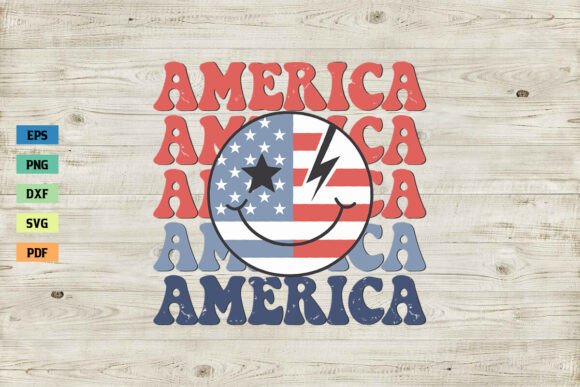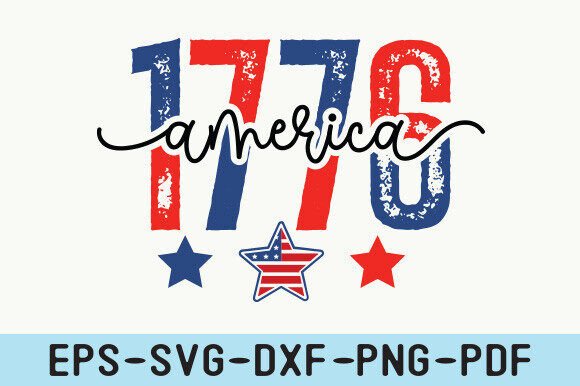
Reviewing 1776 America SVG PNG, Retro 4th of July
As a designer who spends more time staring at stitch density charts and fabric swatches than scrolling through social media, I approach every new digital asset with a healthy dose of skepticism. The market is flooded with "retro" patriotic designs that often look dated rather than timeless, or worse, they are too complex for reliable machine embroidery. When I first pulled up the 1776 America SVG PNG, Retro 4th of July design, I wasn't looking for hype; I was looking for viability. Could this actually work in a real production run? Would it hold up on a busy weekend at a craft fair? And most importantly, would a customer feel confident wearing or gifting it?
First Impressions: Mood and Visual Personality
The moment you load the file into your digitizing software, the visual personality of the 1776 America SVG PNG, Retro 4th of July design becomes clear. It avoids the cliché of overly aggressive militaristic imagery or cluttered flag patterns that tend to get lost in translation when stitched. Instead, it leans into a vintage aesthetic that feels curated and intentional. The retro vibe suggests a mid-century graphic style, which translates beautifully to textile art because it relies on strong shapes rather than delicate, fragile lines.
For an embroiderer, this distinction is crucial. A design that looks good on a screen can fail miserably if the negative space isn't managed correctly. This design seems to balance bold graphical elements with enough breathing room to allow the thread to lay flat. It creates a mood that is celebratory without being loud, making it suitable for a wide range of demographics—from teenagers looking for trendy streetwear to older adults preferring classic Americana. It feels like a design that belongs in a boutique shop window, not just a clearance bin.
Real-World Application: From Screen to Stitch
I decided to put the 1776 America SVG PNG, Retro 4th of July design through its paces by simulating several common use cases. The goal was to see how it performs as a custom apparel piece, a personalized gift, and a small shop product.
Custom Apparel and Sweatshirts
One of the strongest candidates for this design is a heavyweight cotton sweatshirt. The retro theme pairs naturally with heather grey or navy blue fabrics. When imagining the final finished product, the contrast between the thread colors and the fabric texture is key. If you are using a satin stitch for the outlines, the design needs to be large enough to prevent the stitches from bunching. On a chest-sized placement, this design likely hits the sweet spot—large enough to make a statement, but contained enough to remain elegant. It transforms a basic garment into a handmade product with perceived value.
Tote Bags and Canvas Items
Another practical application is the tote bag design. Canvas is a forgiving fabric, but it can distort under high tension. The structural integrity of the 1776 America SVG PNG, Retro 4th of July layout suggests it would hold its shape well even on a slightly flexible surface. For an Etsy seller, a tote bag featuring this design is an impulse-buy friendly item. It’s lightweight, easy to ship, and visually striking in a printable mockup used for online listings.
Baby Items and Nursery Decor
Surprisingly, this design could also work for baby embroidery if scaled down appropriately. Think of a onesie or a burp cloth. The retro typography and clean lines soften the patriotic theme, making it less about politics and more about heritage and celebration. Parents often look for unique, non-generic items for their children, and a well-executed embroidery project like this stands out against mass-produced retail options.
Technical Considerations and Potential Pitfalls
No design is perfect, and as a reviewer, my job is to highlight where caution is needed. While the 1776 America SVG PNG, Retro 4th of July design has strong visual appeal, there are specific scenarios where it requires careful handling.
- Hoop Size and Scale: Always check the recommended hoop size before starting. If the design includes fine details, shrinking it too small for a mini-hooper may cause those details to merge into a blob. Conversely, enlarging it too much might require excessive trimming or re-digitizing to maintain proper stitch density.
- Fabric Texture: This design may struggle on highly textured fabrics like chunky knits or bouclé. The needle penetration required for consistent fill stitch areas can be compromised by thick weaves. Stick to smooth cottons, poly-cotton blends, or denim for the best results.
- Dense Stitch Areas: Pay close attention to any solid color blocks. High stitch density can make a garment stiff and uncomfortable, especially on custom apparel worn next to the skin. If the design uses heavy fill stitches, consider adding a tear-away stabilizer underneath to support the fabric without adding bulk.
- Curved Surfaces: Attempting to embroider this on a curved surface like a baseball cap requires advanced technique. The perspective shift can distort the retro symmetry. It is safer to embroider flat panels and then construct the hat, or use a specialized cap frame with extreme care.
Thread Colors and Contrast Strategy
The success of any machine embroidery design hinges on thread selection. For the 1776 America SVG PNG, Retro 4th of July design, you have creative freedom, but some choices will yield better clarity than others. Traditional red, white, and blue is the obvious route, but don’t underestimate the power of off-whites and creams for a true retro feel. Using a cream thread on a dark navy background can create a softer, more sophisticated look than bright white.
Before committing to a full production run, test your thread colors on scrap fabric. Check how the colors interact under different lighting conditions. Also, consider running a black-and-white version of the design in your software to ensure there is sufficient contrast between adjacent elements. If two shades of gray look similar on screen, they might blend together completely after stitching.
Commercial Viability and Licensing
For craft business owners and digital product sellers, the question of licensing is paramount. The product description notes that this is a digital product, but it does not explicitly detail commercial usage rights. As a professional, you must verify whether you are allowed to sell finished goods made from this design. Some licenses permit unlimited sales of physical items, while others restrict the number of units or prohibit resale entirely.
If you are planning to use this as part of a larger design assets collection or resell the vector files themselves, you need explicit permission. Assuming standard industry practices, many SVG/PNG packs allow for personal use only unless a commercial license is purchased separately. Always read the fine print. Protecting your small shop product reputation means avoiding legal disputes over intellectual property.
Final Verdict
The 1776 America SVG PNG, Retro 4th of July design offers a compelling option for designers looking to expand their holiday inventory. It strikes a balance between nostalgic charm and modern simplicity, making it versatile enough for various applications from aprons to pillow covers. Its strength lies in its adaptability and visual clarity, provided it is executed with proper attention to stabilizers, thread contrast, and fabric choice.
It is not a "set it and forget it" design for beginners dealing with difficult fabrics, but for experienced embroiderers and savvy entrepreneurs, it represents a solid foundation for creating high-quality, desirable products. By testing carefully and respecting licensing terms, you can turn this digital file into a tangible success story for your brand.